In Perth’s property market, buyers often commit to apartments, villas and commercial spaces before construction starts. That creates a challenge because floor plans and technical drawings rarely show how a space will feel, how light will move through it, or how materials will come together.
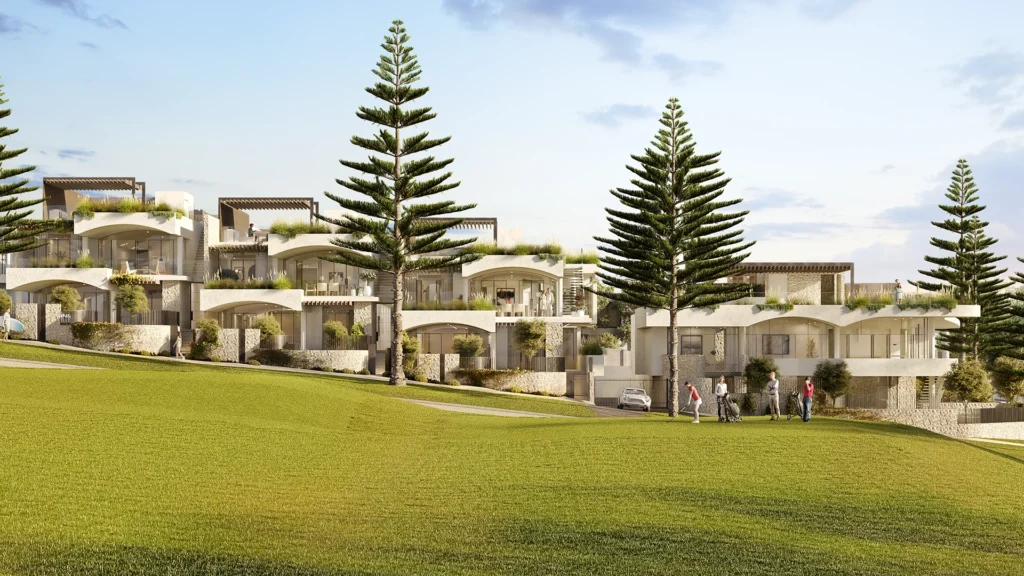
Take a look at our Pearse Street renders to see how we helped Hartree + Associates Architects bring their luxury townhouse design in Cottesloe to life. These high-end residences, currently on the market for $10 million each, showcase the power of photorealistic architectural visualisation.
Why Off-the-Plan Sales Are Difficult
Buying a property that has not been built involves uncertainty.
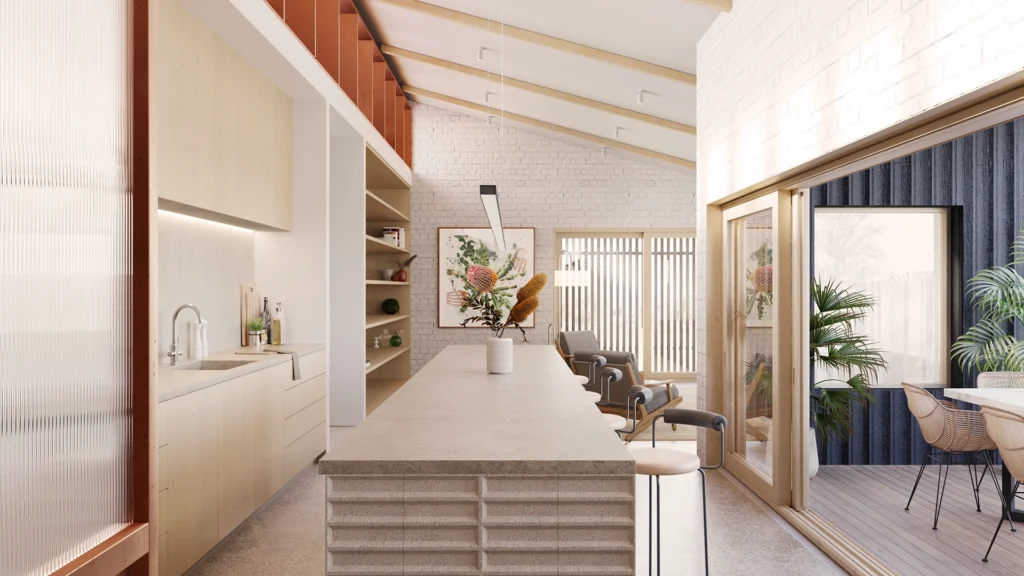
Floor plans are hard to visualise
Even experienced buyers can struggle to understand scale, layout and flow from technical drawings alone.
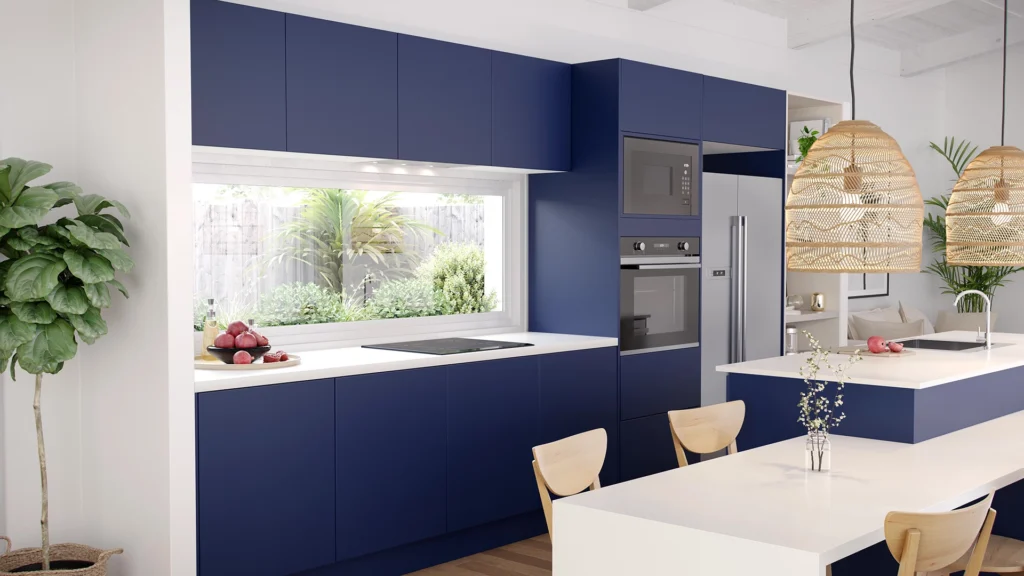
Materials and finishes feel abstract
It is difficult to imagine how colours, textures and lighting will work together in the final build.

Investors need certainty
Buyers want to understand the asset before they commit significant capital.
Uncertainty slows down decisions. The longer buyers hesitate, the longer sales cycles become.
How Photorealistic Renders Build Buyer Trust
Photorealistic renders bridge the gap between concept and confidence.
When buyers can see realistic lighting, materials, furniture and surroundings, they gain a clearer understanding of the finished product. This helps answer the questions buyers often ask.
Good visualisation is not about making a project look glamorous. It is about making it understandable. That is what builds trust.
We’ve done exactly this before the build began. For the KALŌ development on Pearse Street in Cottesloe, we worked with Hartree + Associates Architects to bring a row of luxury townhouses to life. Starting from their CAD models, our team built photoreal scenes with custom lighting, detailed textures, and real backplates of the site – the Norfolk pines, the coastal slope.
The 3D renders looked real enough to go up as billboards and street displays on site, giving the community a clear glimpse of what was coming before a single townhouse existed.
What buyers can see

Lighting and atmosphere
How natural light enters the space at different times of day.
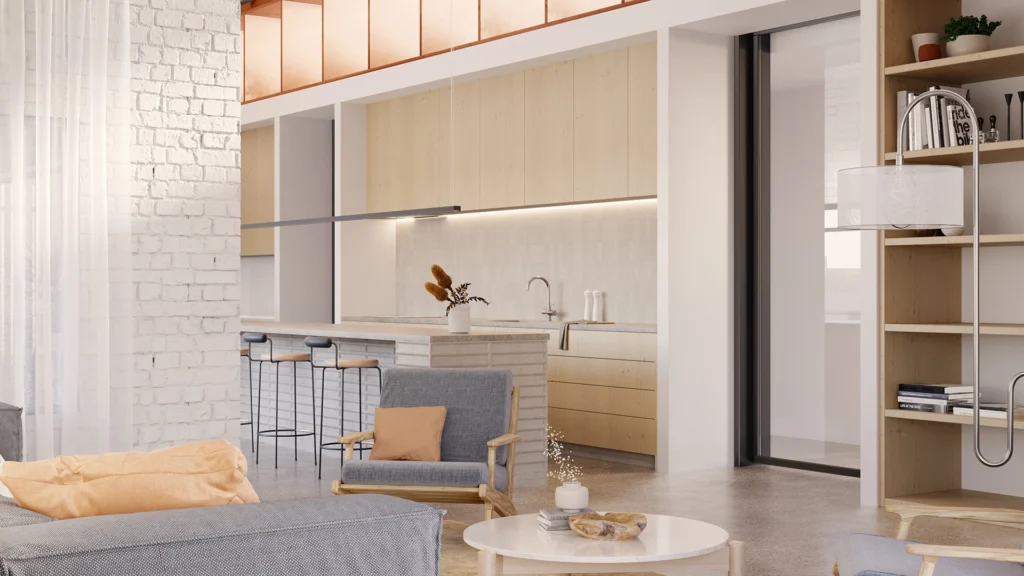
Materials and finished
Timber, stone, metal and other surfaces presented as they will appear in the completed build.
Scale and layout
Furniture, circulation space and room proportions shown in context.
Lifestyle context
Views, landscaping, amenities and the broader environment around the development.
Why Developers Use 3D Rendering
Perth’s market includes local buyers, interstate investors and overseas purchasers. Many of these buyers cannot visit a display suite before making a decision.
- Every developer wants to shorten the gap between project launch and pre-sales.
- Photorealistic rendering helps achieve exactly that.
When buyers can visualise the completed environment, they spend less time trying to interpret technical drawings and more time evaluating whether the project aligns with their goals.
- Instead of imagining the lobby, they can experience it visually.
- Instead of guessing how materials will work together, they can see them.
- Instead of wondering whether the lifestyle being marketed is realistic, they can understand it for themselves.
How Renders Improve Property Marketing
Frankly, this is the part that wins the boardroom. Good visuals move pre-sales faster because buyers grasp the project sooner and decide sooner, and that speed saves real money. Most developers must hit a pre-sale target before a bank will release the loan to build, so faster deposits mean you reach that target sooner and the build starts on time. That’s the B2B power-tool angle in a nutshell: a render isn’t decoration; it’s the thing that helps unlock the loan.
From there, the wins stack up:

More enquiries
because one render set feeds the brochure, the website, the social ads, and the display screens, and the same strong visuals across every channel pull in more serious buyers.

Stronger investor pitches
since a photorealistic walkthrough lands a funding case far harder than a spreadsheet ever will.

Lower marketing spend
with fewer physical display suites to build and a digital version that costs a fraction.

Shorter sales cycles
thanks to less back-and-forth and far fewer “I can’t picture it” replies.
Agents win too, because a render gives them a story to tell and the assets to close buyers who live interstate or overseas, so stock moves faster, listings sit for less time, and every agent on the project feels the difference.
The Devil’s in the Details
One Melbourne off-the-plan contract worth $9.58 million was cancelled after a misleading render, under Australian Consumer Law. The thing is, a render only works when buyers trust what they’re seeing, so accuracy isn’t a nice-to-have; it’s the whole point. At Viewport XR we capture your real world materials and work with your floor plans and concept images to generate photorealistic renders that resemble the end product as closely as possible.
The Shift Beyond Static Images
Static renders remain important, but the market is moving toward more immersive experiences.
Developers are increasingly combining 3D render Perth assets with:

360° virtual tours
Allow buyers to explore spaces online.
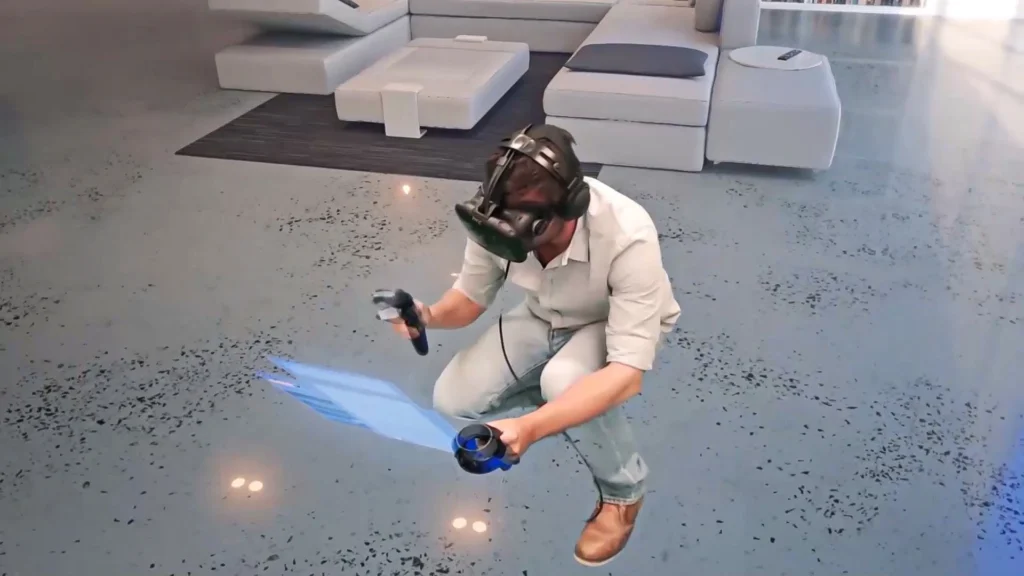
VR walkthroughs
Help buyers experience scale and layout before construction.
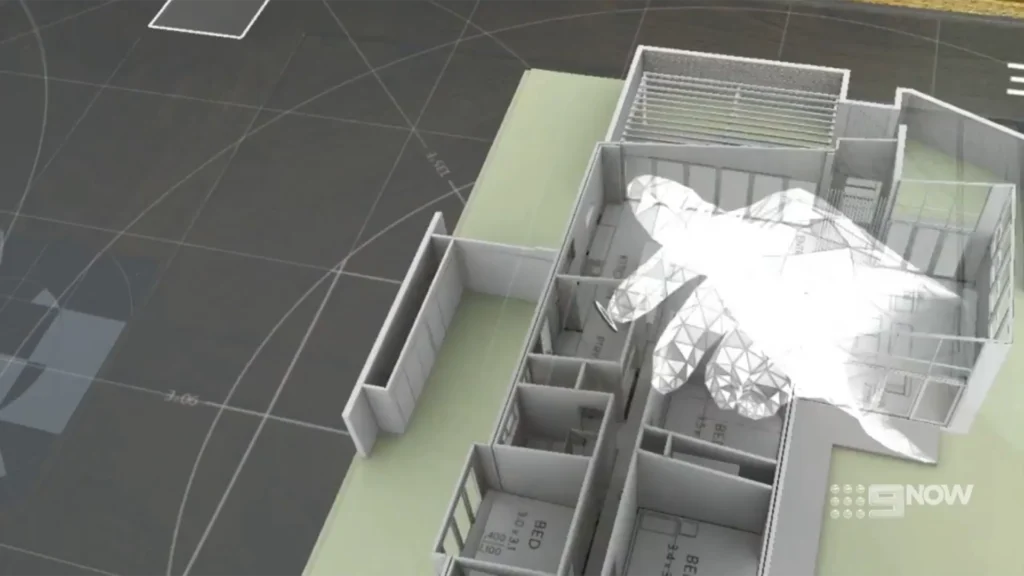
Interactive digital twins
Provide detailed project information in a navigable environment.
These tools help buyers move from understanding a project to experiencing it.
The Step Beyond Rendering
A render starts the conversation, but on its own a still image often can’t close the deal, because today’s buyers expect more:
- Interactive experiences they can explore at their own pace.
- Virtual inspections they can run from a couch in Sydney or Singapore.
- Remote decision making, so they can commit from a distance and still feel sure.
- Immersive walkthroughs that let them move through a space instead of looking at a photo of it.
That’s where a still image hands off to something bigger – animation, virtual tours, VR walkthroughs, and digital twins and it’s an area we know well. Our motion graphics for BHP’s South Flank operation turned a complex mining process into something anyone could follow, and for the State Library of WA we built A City in Flux, a 360 VR experience of Perth’s transformation that lets people hover over the city and watch it grow from before colonisation, through 1840, all the way to 2023. The same thinking applies to an unbuilt apartment tower, so while static images start the conversation, immersive experiences close the deal.
The Future of Off-the-Plan Is Visual
At Viewport XR, we help developers, architects and project teams communicate ideas that haven’t yet been built.
From 3D rendering projects in Perth and architectural visualisation through to virtual reality experiences, interactive environments and digital twins, our focus is always the same: helping people understand complex spaces with confidence.
Because when buyers can clearly see the future, they’re far more likely to believe in it.
And when they believe in it, they’re far more likely to invest in it. So if you’ve got a project on the drawing board, let’s give your buyers something to believe in, long before the first slab is poured.