The Power of Impressions
Reframing First Impressions in the Age of Next-Gen Virtual Reality
We’ve all heard the saying, “You only get one chance to make a good first impression.” In fact, research shows that we have as little as 7 seconds before someone forms a lasting opinion of us. That same phenomenon applies everywhere—job interviews, business pitches, first dates—and, as we’ve learned at Viewport XR, it also applies to emerging technologies like Virtual Reality.
But what do you do when someone already has a “first impression” of your ideas, long before they’ve seen what you’re truly capable of?
The VR Reputation Problem
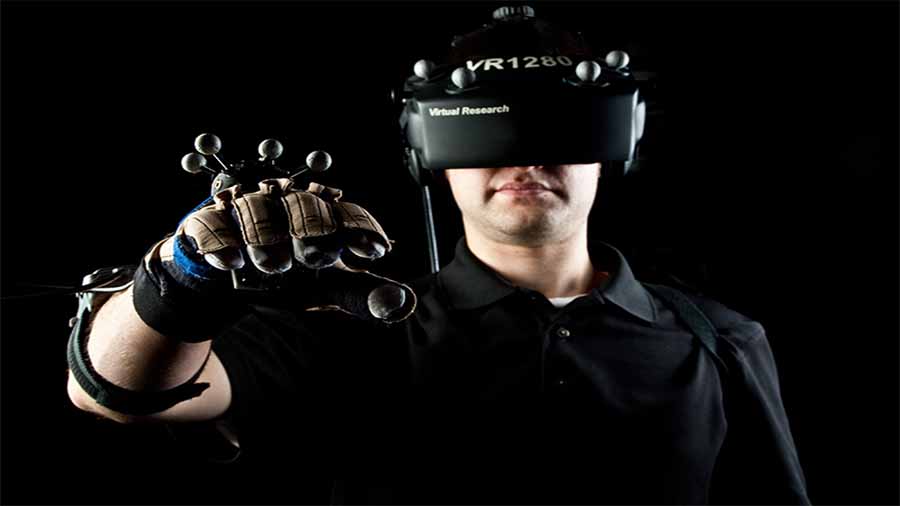
We’re currently in what many are calling the Second Wave of VR. The first wave, decades ago, faded away due to clunky hardware, limited processing power, and underwhelming content. Unfortunately, those early failures still shape perceptions today.
Many people still assume VR is a gimmick—or worse, that it’s destined to fail again. But this couldn’t be further from the truth. With billions of dollars invested by companies like Apple, Meta, Microsoft, and Sony, VR and spatial computing are now maturing into technologies that are fundamentally transforming industries—from architecture to healthcare, training, entertainment, and beyond.
Why “Bad VR” Still Exists
When we meet new clients, it’s not unusual to hear: “Oh, I’ve tried VR before.”
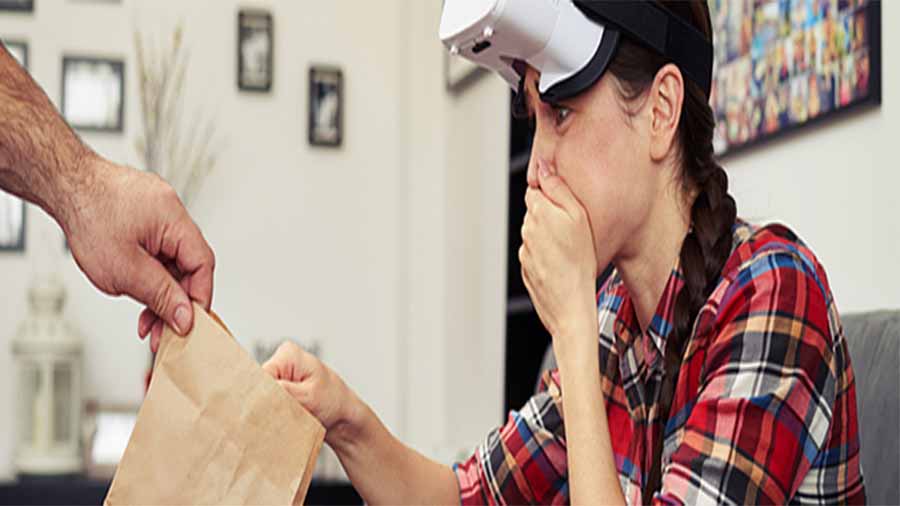
Too often, their first experience involved a poorly optimized, low-resolution demo on outdated hardware-the kind that leaves you with pixelated visuals, lag, and that dreaded sense of motion sickness.
This problem is usually caused by “lazy porting”-when developers simply drop a VR camera into a game or app without designing specifically for immersive interaction. VR isn’t just another screen to look at; it’s a medium with its own rules, its own language, and its own design principles. When those principles are ignored, the experience suffers-and so does the technology’s reputation.
How Viewport XR Does It Differently
At Viewport XR, we’ve spent years perfecting the art of movement, interaction, and purpose within virtual environments. We’ve developed intuitive navigation systems that minimize motion sickness by aligning visual cues with natural body movement.
In our publicly available apps like StudyPerth VR and Discovr WA, users move seamlessly between scenes using gaze-based controls and natural interaction cues. These same principles extend to our architectural visualization work for clients like OzGrind and BSB Design, where every detail is designed to feel immersive, fluid, and purposeful.
The key is focus. We believe every VR experience should have one clear goal—whether it’s selling a vision, teaching a concept, or inspiring awe—and every element of the experience should reinforce that goal. Overloading VR with too many features dilutes its impact, just as combining every game genre into one title would.
The New Standard for Virtual Reality
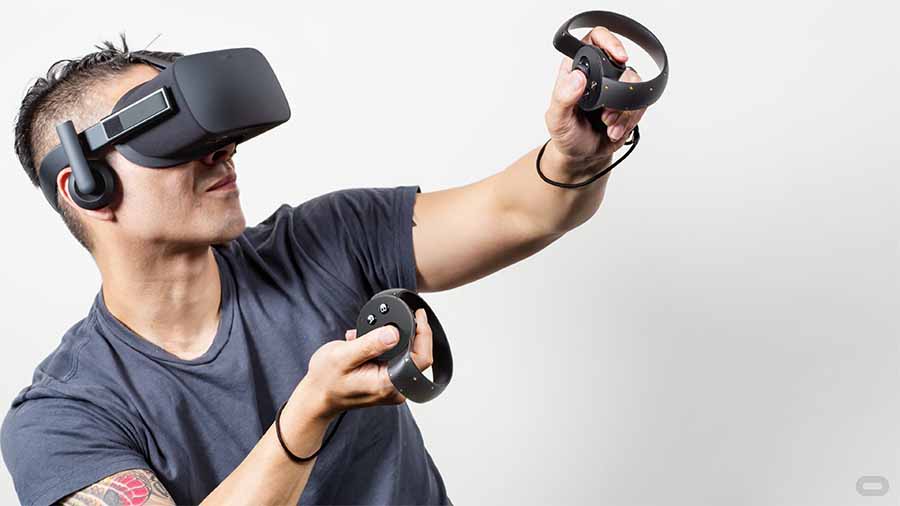
With next-gen devices like the Meta Quest 3, Apple Vision Pro, and HTC Vive XR Elite, the gap between the real and virtual worlds has never been smaller. Photorealistic environments, spatial computing, and intuitive hand tracking are now the standard.
At Viewport XR, we don’t just create breathtaking VR experiences—we help reshape expectations of what VR is truly capable of. We know first impressions are hard to change, but we believe VR is worth the effort. The technology is here, it’s evolving fast, and we don’t want anyone to miss out.