Samsung has a problem that most organizations face but few solve effectively: how do you train 20,000 employees every year across a global workforce of 260,000 people without sacrificing quality, blowing your budget, or wasting time on ineffective methods?

For decades, the answer has been predictable. Send people to training centres. Run them through standardized programs. Hope something sticks. The reality? Inconsistent results, wasted money, and training that people forget within days.

Samsung asked a different question: what if we could make training immersive, adaptive, and actually effective?

The XR Imperative

Why Samsung’s Strategy is a Blueprint for Australian Business Training

Samsung’s Galaxy XR rollout isn’t about entertainment, it’s about building a ‘next-generation training lab’ where employees learn faster, retain more, and practice skills in environments that feel real.

Instead of watching presentations, employees:

  • Walk through 3D leadership scenarios
  • Practice languages using eye-tracking & voice prompts
  • Explore company history in immersive story worlds
  • Complete guided meditations in spatial environments
  • Receive real-time feedback from AI

In other words:
Training becomes a personalised coaching experience, not a checkbox.

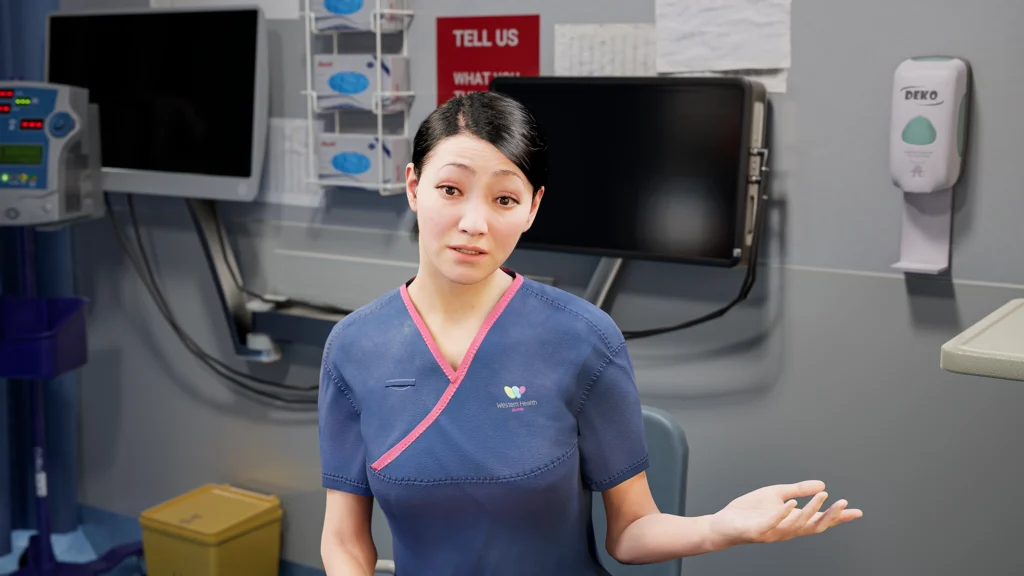
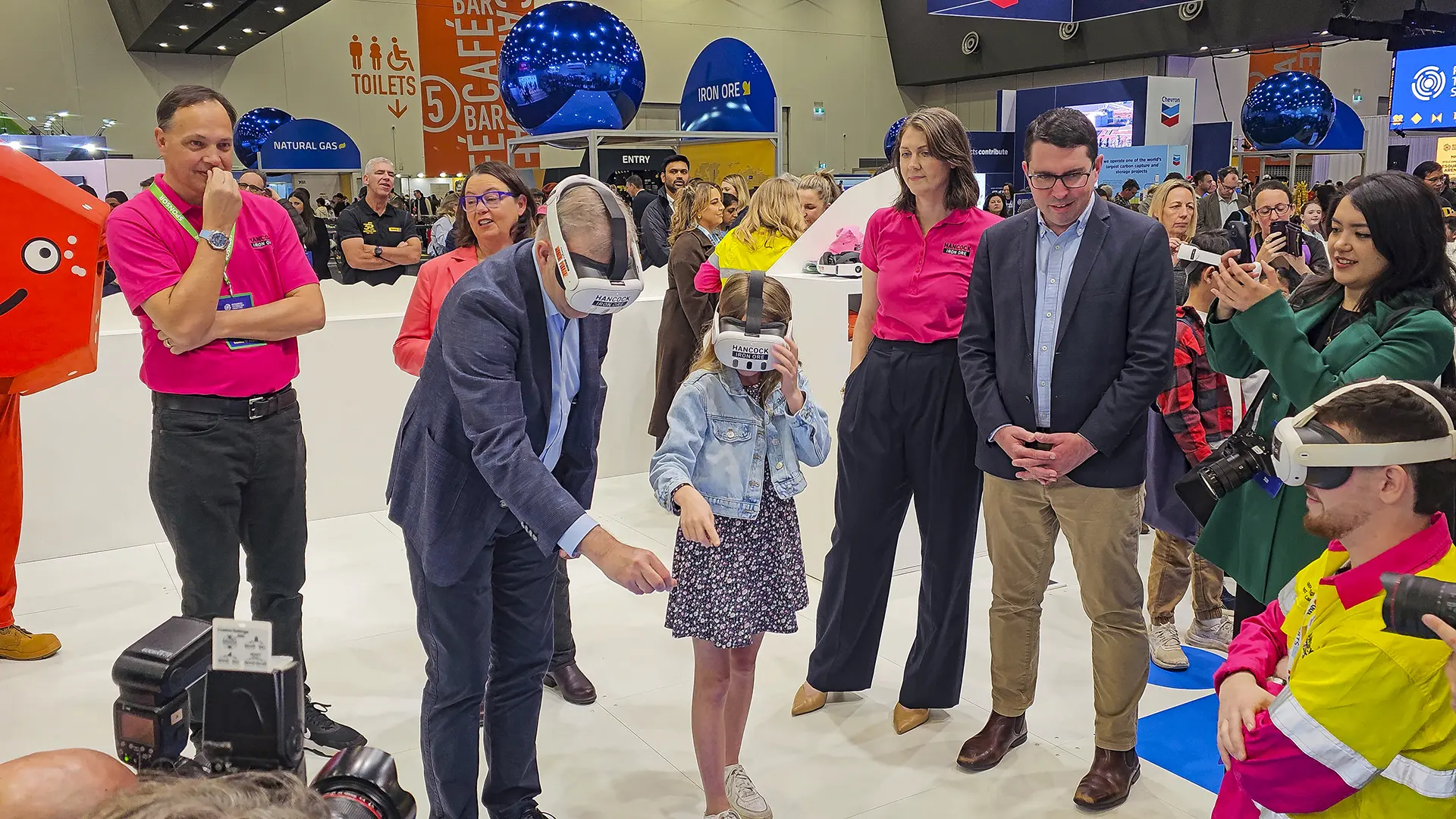
virtual reality training western health

The most powerful part?

AI dynamically adjusts the training based on where you look, how you move, and how confidently you interact. That level of responsiveness is what makes XR so different from traditional learning.

Here’s the genius of their approach: instead of theoretical role-playing, employees step into hyper-realistic virtual scenarios. They use VR headsets to interact with digital customers, handling complaints, navigating complex queries, and closing sales, all within a safe, controlled simulation.

The result?

A training program that is not only more engaging but delivers far better outcomes in knowledge retention and practical application.

What Samsung Is Doing… Viewport XR Is Already Applying to the Real World

While Samsung is rolling out XR for corporate learning, we’re seeing the same shift play out across construction, mining, manufacturing, and utilities right here in Australia. The difference? At Viewport XR, we’re not assuming about the future, we’re already deploying it on live projects.

Here’s our approach:

Start with photorealistic 3D environments

Using our GEAAR platform, we create augmented and virtual reality environments that mirror real workplace conditions. Whether it’s a mining operation, a construction site, or a manufacturing floor, the environment feels authentic. Trainees aren’t practising in an abstract simulation – they’re practising in a faithful recreation of where they’ll work.

Build interactive scenarios, not passive videos

Our Sashimi platform enables interactive simulation-based training where learners actively solve problems rather than watching someone else solve them. They make decisions, face consequences, and learn from real scenarios. This is where retention improves.

Measure what matters

We’ve learned the hard way that immersive training without measurement is just speculation. That’s why we build data capture into every training experience. Track competency development. Monitor engagement. Identify knowledge gaps. Give HR teams actual evidence of whether training works – not guesses.

This is how we’ve worked with organisations like INABOX and construction firms deploying training at scale. They don’t just get VR experience. They get a training system that shows measurable results.

What XR Training Can Do for Your Workforce: Practical Scenarios Explained

Here are realistic, ready-to-deploy training applications Viewport XR delivers:

Safety Inductions in VR

Walk recruits through hazards, access paths, PPE procedures, and emergency scenarios in a controlled environment.

Digital Twin Training Environments

Let teams explore equipment, systems, and infrastructure before they touch it.

MR Guidance & On-Site Workflow Support

Holographic instructions show workers exactly what to do and where.

Soft Skills & Leadership Simulations

Conflict resolution, leadership pathways, difficult conversations – but in immersive 3D role-play.

Emergency Response Scenarios

Practice evacuations, hazard responses, and incident management.

Remote Expert Training

Supervisors can train or assess workers from anywhere using MR overlays.

The Shift We’re Seeing Across Enterprise

Samsung’s investment signals something we’ve been observing for a while: enterprise XR training has crossed from ‘interesting experiment’ to ‘essential capability.’

Over 65% of Fortune 500 companies are now actively deploying VR-based training solutions. Accenture uses metaverse onboarding. Walmart runs VR retail training simulations. Enterprise training is changing rapidly.

Why? Because the numbers work. When organisations measure the impact of immersive training, the results are compelling:

People remember what they learn. Employees trained in immersive environments retain information significantly longer than those trained through traditional methods. The muscle memory sticks.

Safety improves measurably. In high-risk industries like mining and construction, VR training lets workers practice dangerous scenarios without consequence. This isn’t just better training – it’s genuinely life-changing in industries where safety matters.

New hires get up to speed faster. Realistic scenario practice means faster time-to-competence. New workers reach full productivity sooner, which reduces ramp-up costs and improves early performance.

Engagement drives results. When training feels engaging rather than mandatory, people participate fully, and performance metrics reflect that. This is what we see consistently with our clients.

For Samsung, scaling these benefits across 260,000 people is a significant strategic move. For organizations everywhere, it’s a signal that this approach works.

Conclusion

The Future of Training Isn’t on a Screen – It’s All Around You

Samsung’s commitment to training 20,000 employees a year with XR confirms what we’re already seeing across Australia: immersive learning is no longer a futuristic idea – it’s the new standard for safety, performance, and workforce readiness. At Viewport XR, we’re already building and deploying these solutions on a scale, not as one-off experiences but as practical, workflow-ready systems that teams can use every day.

Download our VR Whitepaper to learn more about how VR can transform your operations.

Testimonials

X
Privacy Overview

This website uses cookies so that we can provide you with the best user experience possible. Cookie information is stored in your browser and performs functions such as recognising you when you return to our website and helping our team to understand which sections of the website you find most interesting and useful.