



XR for High-Rise Operations

Boost Safety Training

Using Extended Reality (XR) to train high-risk, high-rise operations involves simulating dangerous work environments in a virtual space. This technology allows workers to practice complex tasks and emergency procedures at height without real-world risks. It provides immersive experiences that build crucial skills and hazard awareness, preparing teams for actual high-rise work before they step onto a job site.

Why XR Matters for High-Rise Safety

High-rise operations present significant safety challenges, including fall hazards, equipment failures, and complex rescue scenarios. Traditional training methods often struggle to replicate these environments realistically or safely. XR technology offers a solution by creating highly immersive simulations.

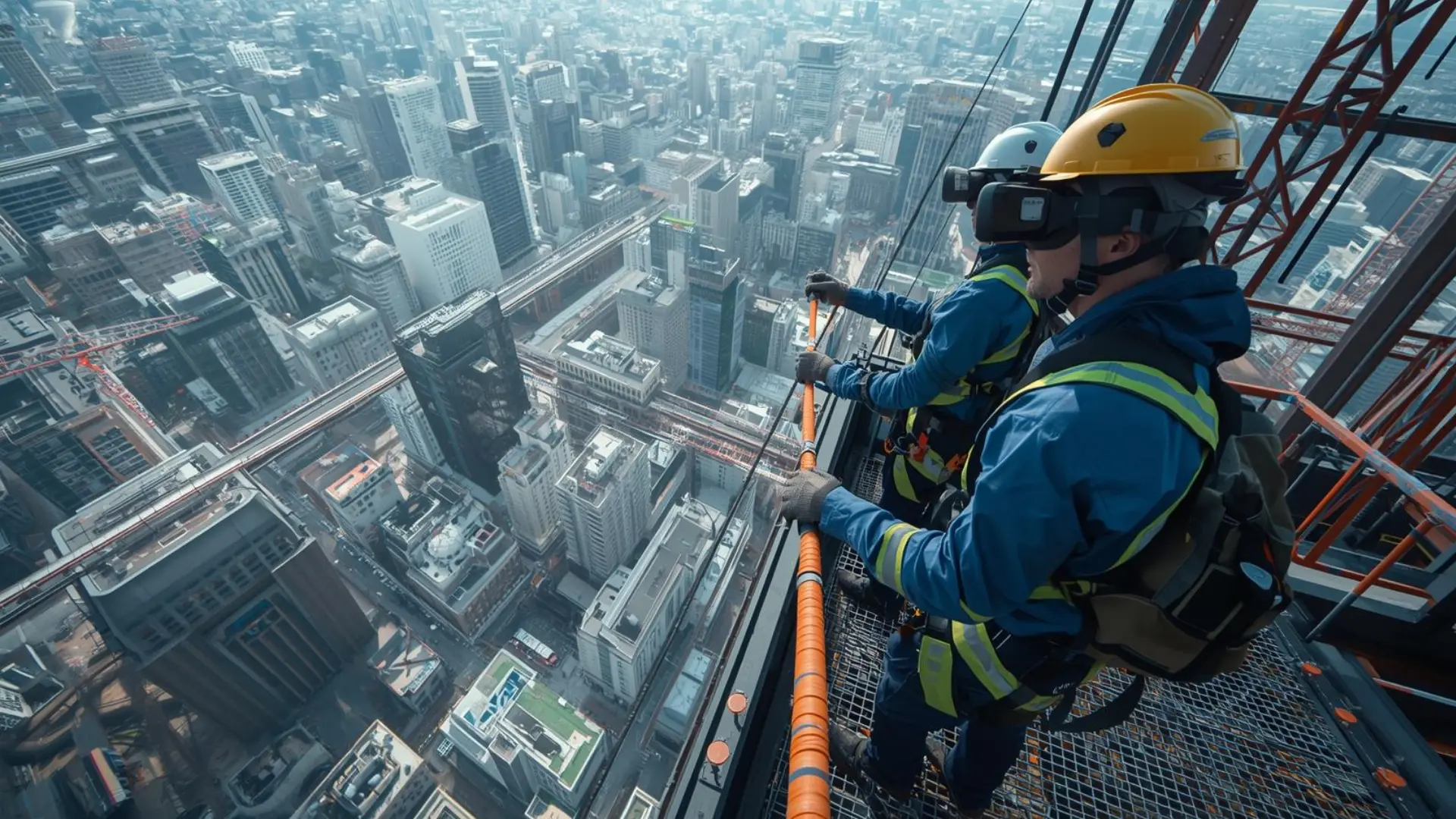
This approach allows workers to experience the stressors of working at extreme heights, such as the visual impact of a significant drop. This can help instill a deep respect for safety protocols and fall protection equipment. The goal is to ensure workers are mentally and physically prepared for the realities of their tasks, potentially reducing incidents and improving overall safety outcomes.

How XR Training Enhances Safety Skills

XR training environments use virtual reality (VR), augmented reality (AR), or mixed reality (MR) to simulate specific high-rise scenarios. These simulations can replicate various conditions, from wind effects to equipment malfunctions. This allows workers to practice critical skills in a controlled yet realistic setting.

For instance, a trainee might navigate a virtual scaffold, identify potential fall hazards, or execute a simulated rescue. The immersive nature of XR helps develop muscle memory and decision-making skills under pressure. This direct experience improves preparedness for real-world situations. Research indicates that virtual reality can offer realistic and immersive learning experiences for occupational safety and health training, preparing workers for hazardous tasks. 1

Virtual reality simulation of workers on a high-rise construction site with safety harnesses

Key Benefits of XR for High-Rise Training

Safe Practice Environment

Workers can make mistakes and learn from them without real-world consequences.

Realistic Hazard Recognition

Immersive scenarios help trainees identify and react to potential dangers more effectively.

Emergency Procedure Rehearsal

Practice evacuation, rescue, and first-aid protocols in dynamic, high-stress simulations.

Consistent Training Delivery

Ensures all workers receive standardized, high-quality instruction regardless of location.

Data-Driven Insights

Training platforms can track performance, identify weaknesses, and tailor future training needs.

Reduced Equipment Wear

Training on virtual equipment saves wear and tear on actual tools and machinery.

Common Applications of XR in High-Rise Operations

XR technology applies to various high-risk high-rise operations. These include construction, maintenance, and inspection tasks. It is particularly valuable for roles involving working at heights or in confined spaces.

For example, construction workers can practice fall protection setup, crane operation signals, or rebar cage assembly in a virtual environment. Window cleaners might rehearse rope access techniques and emergency descents. Maintenance teams can train on specific equipment located at elevated positions. These applications ensure workers are competent and confident before performing tasks onsite.

Considerations for Implementing XR Training

Implementing XR training requires careful planning. Organizations must consider the specific learning objectives and the types of scenarios needed. Content creation is crucial, ensuring simulations accurately reflect real-world risks and equipment.

Choosing the right hardware and software is also important for an effective training program. Regular updates to training content keep pace with new regulations or equipment. Focusing on these aspects helps maximize the benefits of XR technology for high-risk operations.

Key Takeaways

  • XR training provides a safe and immersive way to prepare workers for high-risk, high-rise operations.
  • It helps build critical skills like hazard recognition and emergency response in realistic virtual environments.
  • Benefits include reduced incidents, consistent training, and data-driven performance insights.
  • Applications span construction, maintenance, and specialized access tasks.
  • Successful implementation requires careful planning of content, hardware, and software.

Testimonials

X
Privacy Overview

This website uses cookies so that we can provide you with the best user experience possible. Cookie information is stored in your browser and performs functions such as recognising you when you return to our website and helping our team to understand which sections of the website you find most interesting and useful.