How Kaboodle Turned the Kitchen Aisle into an Interactive Display Across Bunnings Stores

When Kaboodle needed a way to help shoppers design an entire kitchen from a single touch screen in the aisle, Viewport XR built a hybrid touch and VR display that now anchors their in-store experience and feeds a multi-platform product library.

The Client

Kaboodle is a DIY and trade-friendly kitchen and cabinetry brand sold through Bunnings Warehouse across Australia and New Zealand. Their offer spans flat pack kitchens, cabinets, benchtops, splashbacks, and hardware, all designed to help customers build a complete space without a custom joinery shop.

By 2019, Kaboodle and Bunnings shared the same problem. Customers and trade professionals stood in the aisle, stared at small laminate samples, and tried to imagine an entire kitchen, with layout, light, and every surface working together. Kaboodle wanted a digital solution in stores that would let people design and visualise kitchens in real time. They needed it to capture demand. It also had to give their marketing and product teams better data on what styles and finishes people actually chose.

The Challenge

A Big Decision on a Small Sample

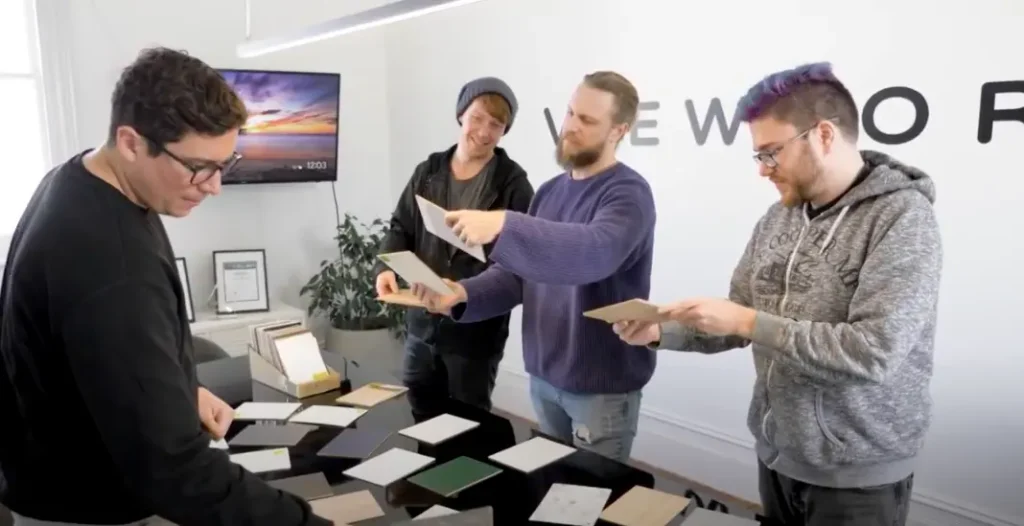
Before the kiosk, a Kaboodle shopper would arrive at Bunnings with rough measurements, a phone full of screenshots, and a lot of uncertainty. They picked up sample doors and laminates. They held them under the store lights. They tried to picture a full kitchen at home. Staff and Kaboodle’s trade partners spent much of each consult walking through colour and layout. They answered the same questions over and over.

Clearly this wasn’t just a user experience issue. It was a conversion issue. People couldn’t see the whole kitchen, and that delayed decisions. Building full sized displays costs money and time and 3D CGI renders were not quite dynamic enough to meet the massive and ever changing Kaboodle catalog.

There was also a scale and accuracy problem. Kaboodle wanted their entire physical range digitised: every benchtop, cabinet profile, handle, and splashback. Those digital twins needed to look right from a few centimetres away on a large touch screen. They had to hold up when someone stepped into VR. On top of that, the front-end configurator had to be simple enough for a weekend renovator. It also needed depth for trade professionals. The system needed a secure way to capture user data and send each person their plan.

It wasn’t easy. The team couldn’t just build a quick 3D mock-up and call it done. The visual accuracy of hundreds of SKUs had to be high. The kiosk had to live in busy hardware stores with staff who were not VR specialists. Technical compromises would show up as lost trust and slower decisions.

The Solution

From Material Capture to a Hybrid Touch + VR Kiosk

Viewport XR broke the Kaboodle engagement into two connected streams: a large-scale material capture pipeline and a touch-driven, VR-enabled configurator that could roll out across Bunnings stores.

1. A scaled-up material capture pipeline

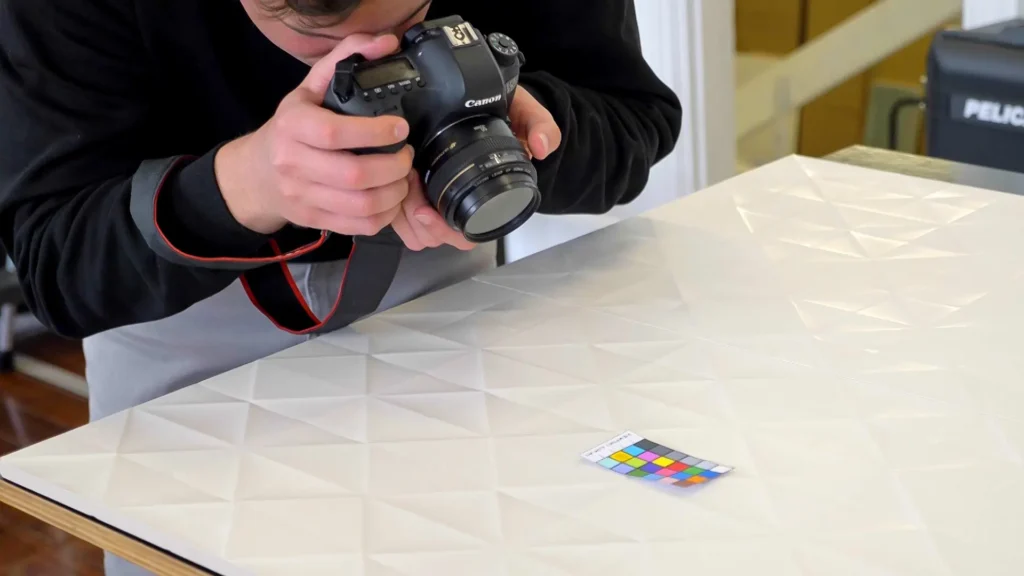
The work with OzGrind gave us a starting point. We took the photographic material capture pipeline proven in flooring. We expanded it to cover a kitchen and cabinetry catalogue. Kaboodle sent hundreds of physical samples across their range.

For each product, we:

  • Captured dozens of high-resolution reference photos per item.
  • Built 4K and 8K texture sets for surfaces, tuned for both kiosk and VR use.
  • Mapped roughness, reflectivity, and opacity values to match real finishes.
  • Identified optimal tiling points and manually removed visible seams.

If a benchtop had a certain wood grain or a laminate had a mild gloss, the renderer reproduced it. This worked whether someone stood “in” the kitchen in VR or inspected it up close on the touch screen. The result was a single, universal digital material library. Kaboodle could use it across their Ideal Spaces planner, 2020 design software, website, and the Viewport XR real-time engine.

2. The Kaboodle kitchen Display

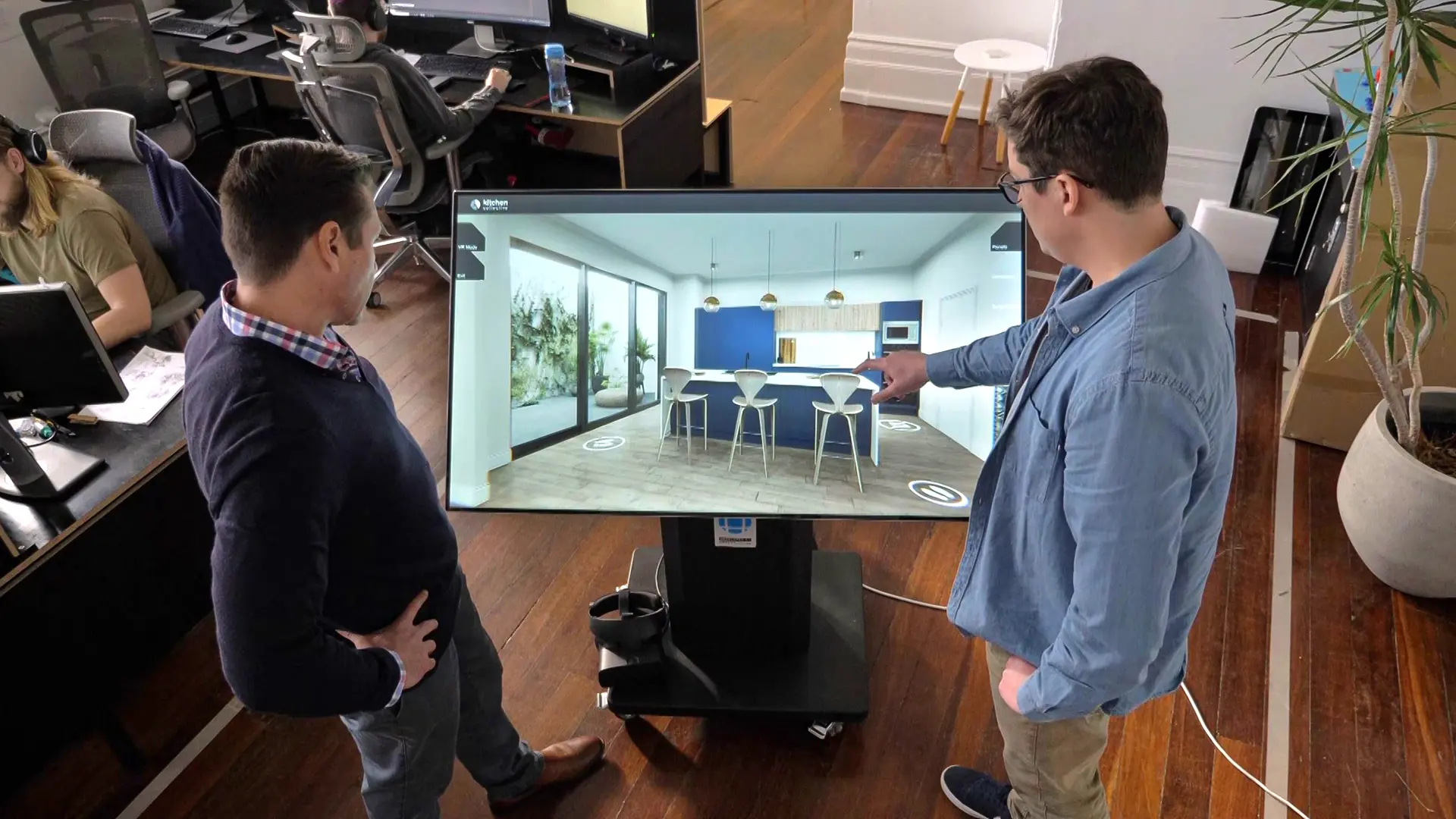
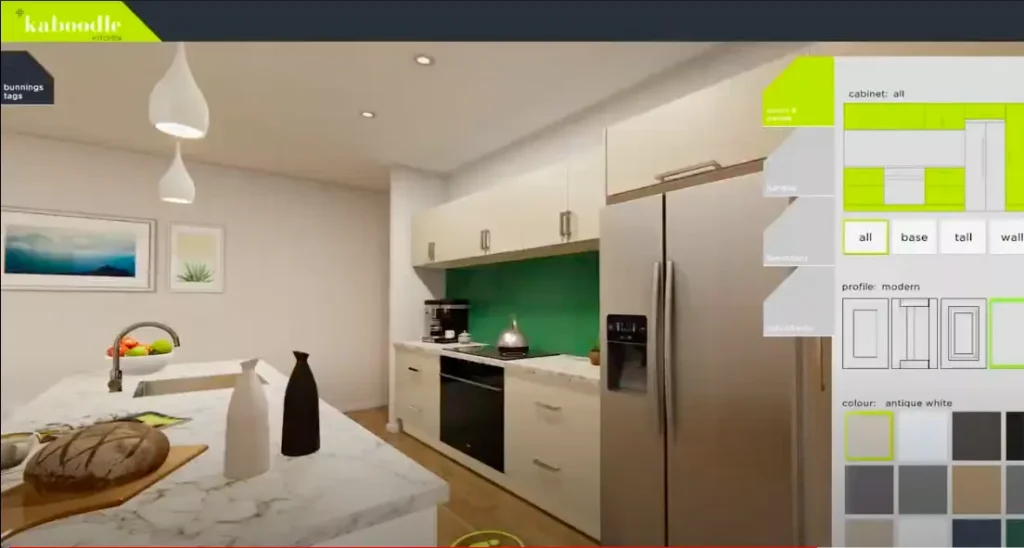
With the material library in place, we built a bespoke real-time configurator in Unity. The core idea was simple. Let users step up to a screen. Let them configure a kitchen with the real Kaboodle range. Let them see it change in front of them with each tap.

Key features included:

  • Custom 3D kitchen environments that matched common layouts and styles.
  • Controls to change cabinet profiles, benchtop thickness, flooring, and hardware.
  • Interactive elements so users could open doors and drawers with touch gestures.
  • A clean UI that worked for both first-time users and repeat trade customers.

Behind the scenes, we built a secure backend portal and CRM integration. At the end of a session, a shopper entered an email address. The system generated a tailored HTML email with their exact configuration and high-resolution screenshots. They could review it later or share with partners. That meant Kaboodle and Bunnings weren’t just inspiring people. They were capturing qualified interest with concrete plans attached.

3. Deployment and hardware integration in Bunnings

We wrapped the build in an agile framework with defined Pre-Alpha, Alpha, Beta, and Launch milestones. Weekly scrums supported that. It kept Kaboodle’s marketing, product, and IT teams involved as the experience took shape on real hardware.

To make the system retail-ready, we designed a hybrid touch and VR kiosk:

  • 42-inch commercial-grade touch screens from a specialist supplier.
  • Custom PCs with NVIDIA RTX-class GPUs inside the kiosk chassis to handle real-time 3D rendering.
  • Custom eye catching digital branding that was designed to turn heads.

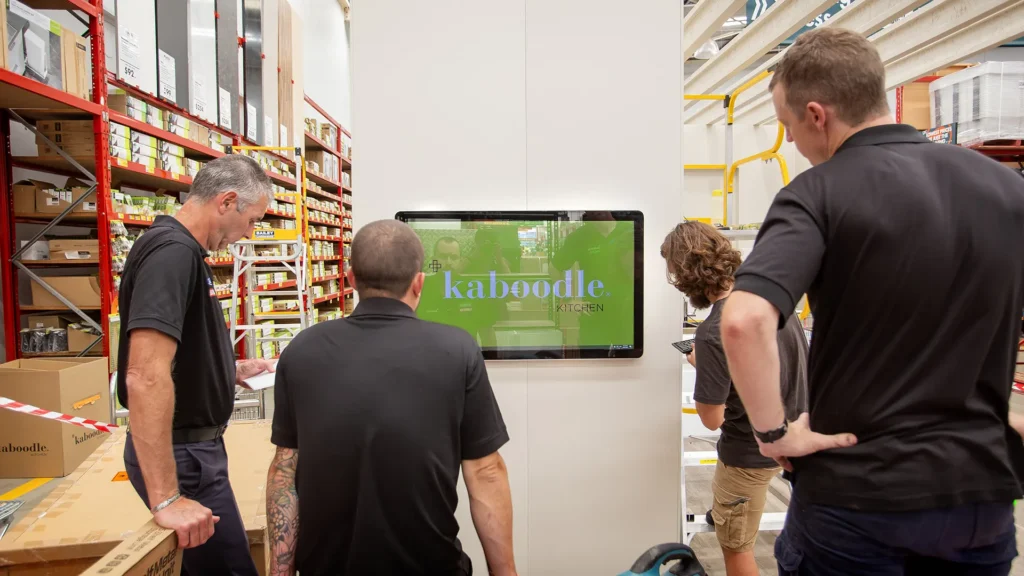
Viewport XR managed logistics, procurement, and installation into Bunnings stores. We handled the physical deployment as well as software delivery. The first wave covered six stores across Australia. It later grew into a roadmap of more than twenty locations, including sites in Western Australia and Victoria.

4. Multi-market, multi-brand scalability

As the platform proved itself, Kaboodle expanded how and where it showed up. The core system supported:

  • New product lines added into the existing material pipeline.
  • Rebranding for the New Zealand market under the Connected Spaces trade brand, with updated logos and UI colours while the underlying experience stayed consistent.

Because the textures and configurator logic were centralised, the team could re-skin, extend, and deploy without rebuilding from scratch each time.

Measurable Results

From Overwhelmed Shoppers to Informed Buyers

Before the Kaboodle kiosk, a shopper wandered in, picked up a few sample doors, and tried to piece together a vision from shelf displays and brochure photos. Staff fielded many early-stage questions. Many came from people who weren’t ready to commit. They still couldn’t see how everything would come together at home. Trade professionals saw the same friction. They knew Kaboodle had range. But getting a client to visualise the finished space could take several visits.

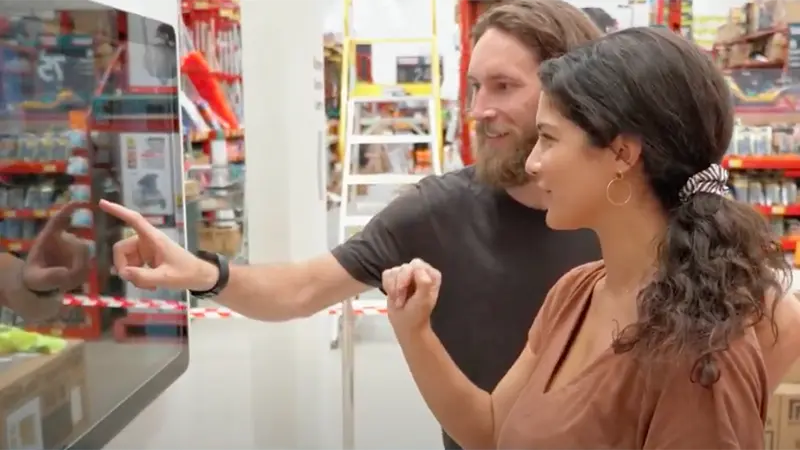
After the kiosks went in, that pattern changed. A shopper now walks up to the 42-inch screen. They pick a layout. They start tapping through colours, profiles, and benchtops. Within minutes, they look at a complete kitchen in context, not a pile of parts.

The impact shows most in how people use their time in-store. They stop drifting between displays. They focus on designing, testing options, and asking sharper questions. Staff report conversations move from “What does Kaboodle offer?” to “We’ve saved a layout and colour scheme, what’s the next step to order?” The emails generated by the kiosk give customers a concrete plan to take home and share. They give Kaboodle a stream of structured data about which styles and combinations people actually choose. That data feeds product and marketing decisions. It shapes which kitchen styles to highlight. It guides where to place future kiosks.

On the deployment side, the first six Bunnings locations proved the model. Usage and feedback supported a roadmap. That expanded to more than twenty stores across Australia. It grew further into New Zealand under the Connected Spaces brand. The same underlying asset library now powers multiple Kaboodle touchpoints. These run from planners to web experiences. One material capture investment turned into a long-term, multi-channel asset base.

For Kaboodle and Bunnings, the kiosk became a B2C power tool at the point of sale. It helps kitchen consultants close more confident buyers. It helps trade customers guide their clients through choices in one session. It supports Kaboodle’s positioning as a leader in DIY kitchen visualisation in ANZ.

For Viewport XR, it stands as a benchmark in retail touch screen deployment. It proves meticulous material capture and considered UX can turn a high-stakes, high-involvement purchase into an in-store experience that people line up to try.

Want to Turn Browsers into Buyers in Store?

If your retail customers need more than a sample board, a touch + VR configurator can help them design with confidence. Viewport XR builds in-store experiences that capture interest, support sales teams, and give your brand better data.

Testimonials

X
Privacy Overview

This website uses cookies so that we can provide you with the best user experience possible. Cookie information is stored in your browser and performs functions such as recognising you when you return to our website and helping our team to understand which sections of the website you find most interesting and useful.