Commercial Projects Have Changed. Project Communication Hasn’t.
Commercial projects are becoming larger, more complex and more collaborative.
Developers, architects, consultants, contractors, investors and regulators often need to review the same project before a single shovel hits the ground.
Yet many teams still rely on static renders, PDFs and presentation decks to communicate spaces that do not yet exist.
The thing is, people rarely struggle to understand images. They struggle to understand space.
A floor plan can show dimensions. A render can show finishes. But neither allows stakeholders to experience how a space feels, flows or functions.
That gap is why web-based VR walkthroughs are becoming a core project communication tool for businesses across Australia.
From commercial property developments to mining infrastructure and industrial facilities, organisations in Australia are using virtual reality solutions to improve project understanding, accelerate approvals and reduce costly misunderstandings before construction begins.
The Shift from Marketing Tool to Business Tool
Today, the role of VR has expanded far beyond sales.
Not long ago, VR walkthroughs were primarily used for property marketing.
Developers used them in display suites. Sales teams used them to attract investors. Marketing departments used them to create interest before launch.
Today, the role of VR has expanded far beyond sales.
The question is no longer whether a project should have a walkthrough.
The real question is how quickly stakeholders can access and engage with it.
Project teams now use web-based VR walkthroughs for

Design reviews

Stakeholder engagement

Tender submissions

Remote project approvals

Operational planning

Training and onboarding
Why Downloadable VR Experiences Are Losing Ground
Traditional VR experiences often require users to download software, create accounts or use specialised hardware.
That creates friction.
And friction slows adoption.
Modern stakeholders expect a different experience.
They want to click a link, open a browser and explore immediately.
Web-based VR walkthroughs remove those barriers.
Whether someone is reviewing a project from Perth, Sydney, Melbourne or a regional site, they can access the experience instantly from a desktop, tablet, mobile device or VR headset.
For project teams, that means more engagement, fewer delays and faster decision-making.
Common barriers

App installations

Device compatibility issues

IT restrictions

User training requirements
Five Business Problems Web-Based VR Walkthroughs Solve
1. Faster Stakeholder Approvals
One of the biggest causes of project delays is stakeholder uncertainty.
When decision-makers cannot fully understand a design, approval cycles become longer. Questions multiply. Meetings increase. Revisions follow.
A VR walkthrough changes that dynamic.
Instead of interpreting drawings, stakeholders can explore the environment themselves.
They can move through spaces, understand layouts and visualise how different elements connect.
Consider a commercial office development.
Rather than reviewing multiple static renders, investors and project partners can walk through reception areas, meeting rooms and common spaces online. Issues become easier to identify. Feedback becomes more specific.
The result is often fewer review cycles and faster approvals.
2. Stronger Investor and Client Communication
Investors are not always design experts.
Neither are many project stakeholders.
Technical drawings can be difficult to interpret, particularly for people focused on financial outcomes rather than design documentation.
VR walkthroughs bridge that gap.
Instead of explaining how a project will function, teams can show it.
That clarity often creates stronger buy-in during critical decision-making stages.
They help stakeholders understand

Building scale

Device Material Selections

Spatial relationships

Customer experiences

Operational workflows
3. Better Design Decisions Before Construction Begins
Changes become expensive once construction starts.
That is why identifying issues early matters.
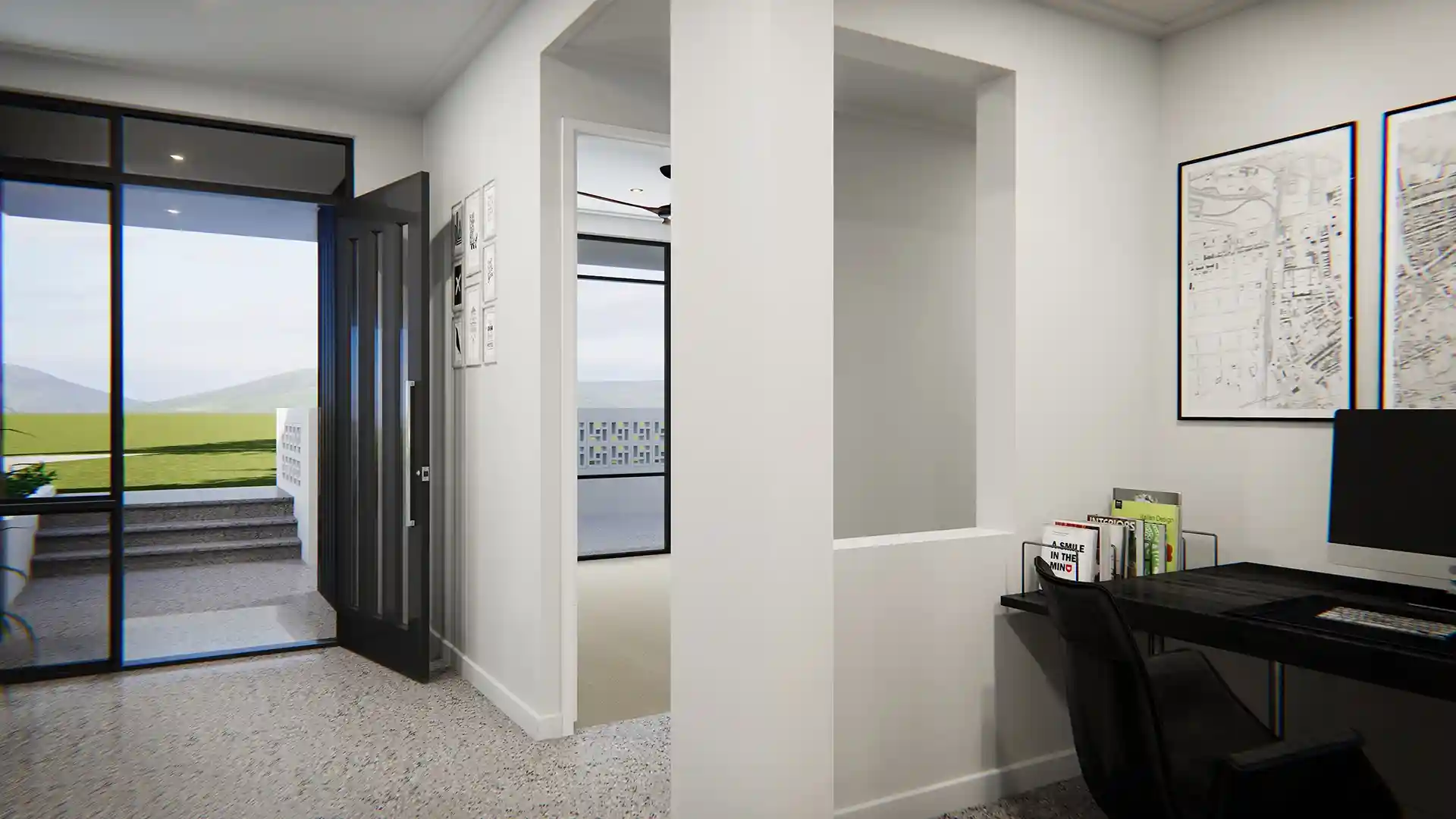
VR walkthroughs allow project teams to evaluate designs before they become physical assets.
Architects, consultants and operators can review:
It wasn’t easy to achieve this level of collaboration using static imagery alone.
Today, immersive walkthroughs help teams spot potential problems earlier, reducing the risk of rework later.

Site workflows

Equipment placement

Access routes

Operational requirements
4. Reduced Travel Across Distributed Teams
Many Australian projects involve stakeholders spread across multiple locations.
This is particularly common in:
Traditionally, design reviews often required site visits or in-person meetings.
Web-based VR walkthroughs reduce that dependency.
Stakeholders can review projects remotely while still gaining a clear understanding of the environment.
For organisations managing projects across Australia, that can save significant time and travel costs.

Mining

Infrastructure

Energy

Property development
5. More Effective Sales and Leasing Campaigns
When comparing communication tools, engagement matters.
A PDF presents information.
A video tells a story.
An interactive walkthrough allows users to participate.
That difference is important.
Prospective tenants, investors and buyers can explore spaces at their own pace, focusing on the areas most relevant to them.
The experience feels more personal and often leads to deeper engagement than traditional marketing assets.
Why Commercial Teams Prefer Browser-Based Experiences
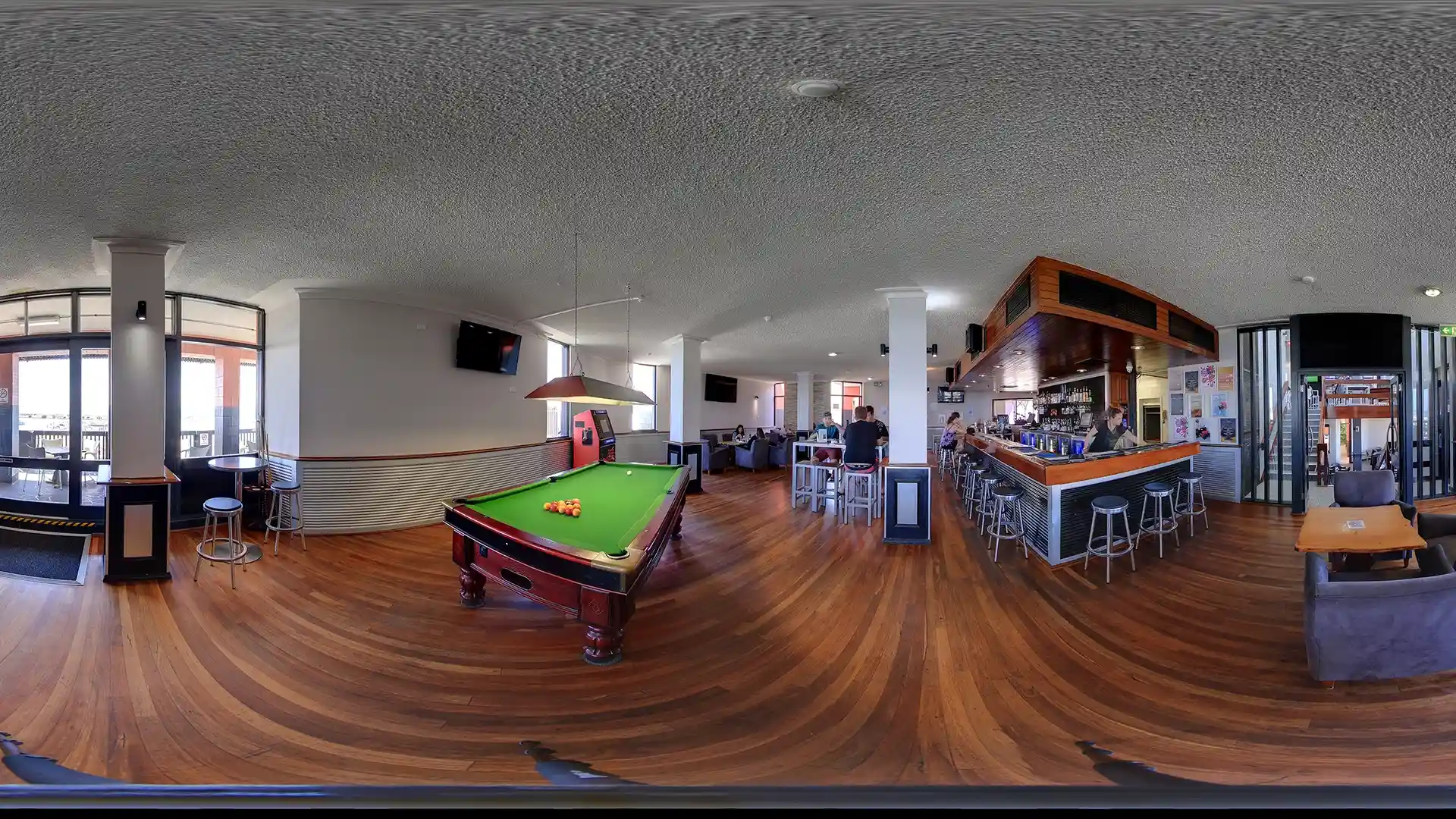
The biggest advantage of web-based VR walkthroughs is accessibility.
A single experience can be accessed across:

Desktop computers

Tablets

Mobile devices

VR headsets

No separate versions. No complicated setup.
Distribution is equally simple.
Teams can share walkthroughs through:

Email campaigns

QR codes

Sales presentations

Websites

Investor updates
There is another advantage many businesses overlook.
Analytics.
Unlike traditional presentations, web-based walkthroughs can provide insights into user behaviour.
Project teams can track:

Visit duration

Most-viewed areas

Interaction patterns

User engagement levels
These insights help teams understand what stakeholders are focusing on and where additional communication may be needed.
Industry Applications Across Australia
The adoption of virtual reality in Perth and Australia-wide continues to grow across multiple industries.

Commercial Property
Developers use walkthroughs to present projects before construction and support investor engagement.

Architecture and Design
Design teams use immersive reviews to communicate intent and validate concepts with clients.

Construction
Contractors use walkthroughs to improve collaboration and reduce design-related misunderstandings.

Mining and Resources
Operators review infrastructure layouts, workflows and site planning before development begins.

Industrial Facilities
Manufacturing and logistics businesses use walkthroughs to evaluate operational efficiency and equipment placement.

Education and Training
Institutions create immersive environments that improve learning, onboarding and stakeholder communication.
The ROI Behind Web-Based VR Walkthroughs
The return on investment often comes from avoiding costs rather than creating them.
Frankly, many organisations recover the investment before construction begins simply by reducing revision cycles and avoiding unnecessary delays.
Key cost categories include:

Design revisions

Travel expenses

Project delays

Rework

Extended approval cycles
At the same time, VR walkthroughs create value through:

Faster decisions

Better communication

Improved stakeholder alignment

Greater project confidence
What to Look for in a VR Walkthrough Provider
Not all VR walkthrough solutions deliver the same value. Viewport XR’s comprehensive experience with many clients has led to this analysis. When evaluating providers, look for:
The goal is not simply to create a walkthrough.
The goal is to create a communication tool that continues to support decision-making throughout the project lifecycle.

Browser-based delivery

Mobile optimisation

WebXR compatibility

User analytics

Digital twin integration

Scalability for future projects
Why VR Walkthroughs Are Becoming the New Baseline
Commercial projects have become more complex.
Project teams have become more distributed.
Stakeholders expect faster answers and clearer communication.
Static content struggles to keep pace.
Web-based VR walkthroughs close the gap between design intent and stakeholder understanding.
They help teams communicate more clearly, reduce uncertainty and accelerate approvals.
That is why they are no longer viewed as a nice-to-have marketing asset.
They are becoming a standard part of the commercial project toolkit.
Turn Complex Spaces Into Experiences Stakeholders Can Understand
At Viewport XR, we help organisations across Australia transform complex environments into interactive experiences that support better decision-making.
From virtual reality and 3D visualisation Perth services to digital twins, immersive training environments and interactive project walkthroughs, our team helps Australian businesses communicate projects with clarity and confidence.
If you’re looking to improve stakeholder engagement, accelerate approvals and reduce project risk, talk to Viewport XR about your next project.