A frontline leader does not care how impressive the headset looks. They care whether training becomes faster, safer, and easier to apply on the job.
That is where many XR rollouts go wrong. They lead with novelty, while frontline teams judge any new tool by a simpler question: does it reduce friction, or add to it?
Research on implementation shows that adoption is often blocked by workflow disruption, weak support, infrastructure limits, and poor fit with the realities of work. The irony is that interest in technology is not the real issue. Microsoft found that 63% of frontline workers were excited about the job opportunities technology creates, yet more than half said they had not received the training needed to do their jobs effectively.
So the real challenge is not curiosity. It is whether the rollout feels usable, relevant, and supported.
The usability gap
Most resistance starts before anyone rejects the idea of XR. It starts when the first experience feels unclear, inconvenient, or hard to recover from.
That pattern shows up clearly in the research: in one implementation study, only 25% of staff said VR was easy to use, only 37.5% said they had enough training to use it effectively, and just 18.8% felt confident troubleshooting technical issues.
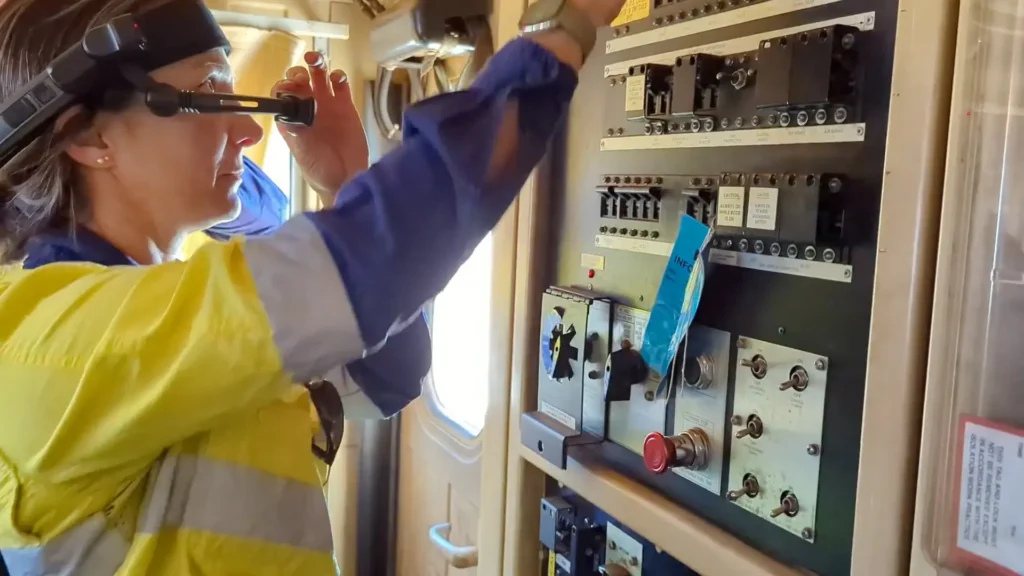
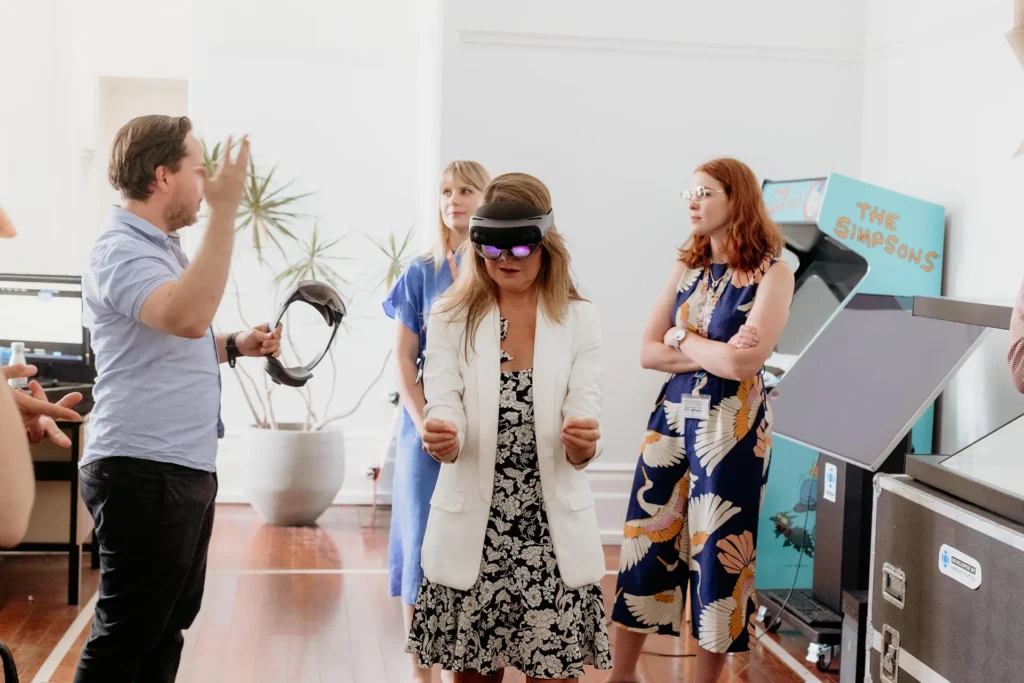
If people do not feel capable with the system, they will not trust it enough to build a habit around it.
The second problem is communication. Microsoft reported that 63% of frontline workers said leadership messages often get lost before reaching them.
That means a rollout can make perfect sense in the boardroom and still land as vague, top-down noise on the floor.
In practice, that is what many teams are resisting: not immersive technology itself, but unclear value, weak onboarding, and poor implementation design.
Confidence in practice

The most useful XR evidence is about confidence. PwC found that VR learners were 40% more confident than classroom learners and 35% more confident than e-learning learners when applying what they had learned.
The same study found that VR learners completed training four times faster than classroom learners and were four times more focused than e-learning learners. For frontline roles, those results matter because confidence shapes readiness, focus affects retention, and faster training improves operational efficiency.
A concrete example comes from Stellantis. According to Uptale’s case study, Stellantis has used VR since 2019 to train production-line and logistics operators across safety, quality, and operational processes in its factories.
At the Sochaux site, the company used immersive training to familiarise new employees with the industrial environment before they were physically on-site, and the case study says operator training time fell from 10 days to 5–6 days while quality defects and line interruptions also decreased.
At the Vesoul logistics site, immersive onboarding and training delivered a 3x reduction in training time, more than 2,000 completed sessions, a 90% success rate, and €60,000 in savings over two years.
Just as importantly, Stellantis reported that trainees felt more confident and less apprehensive about their future tasks, which is exactly where frontline XR starts to earn trust.
That is the bridge many vendors miss. XR wins when it helps people prepare before a live task, especially where mistakes are expensive and hesitation has real consequences.
The friction audit
Before rolling out XR, leaders should ask a harder question: is this experience removing friction, or quietly adding it?
Use this quick audit:

Does the experience pull a worker away from their station longer than the workflow can realistically support?
Can a user get help within 60 seconds if the device fails, freezes, or becomes confusing?
Does the training produce an outcome the worker and manager both value, such as faster sign-off, stronger task readiness, or a recognised credential?
If the answer to any of those questions is no, the rollout is already under pressure. The research points to the same adoption drivers again and again: workflow fit, adequate training, management backing, and visible support. That is why rollout design matters as much as the XR experience itself.
What leaders should do next
The best XR programs do not start with a platform story. They start with one operational pain point. Research on implementation consistently shows that adoption improves when immersive tools are tied to real work, supported properly, and introduced through structured change management.
That gives leaders a more practical playbook than most vendors offer.

The Single Pain Point rule
Do not digitise the whole manual; pick the one procedure that causes the most errors, downtime, or hesitation.

The Role-First rule
Design the experience around the task the worker has to perform, not around the features the platform can show.

The 60-Second Support rule
If help is not immediate, confidence drops fast.

The Peer-to-Peer rule
Do not let IT alone lead the rollout; train the most respected person on the shift first and let credibility spread sideways.

The One Metric First rule
Measure one visible outcome early, such as time to proficiency, scenario readiness, or confidence before live performance.
This is where many pilots stall. They launch broad, measure loosely, and assume enthusiasm will carry adoption. In practice, adoption grows when the first use case is narrow, the support is obvious, and the benefit is easy to see.
The Viewport XR POV
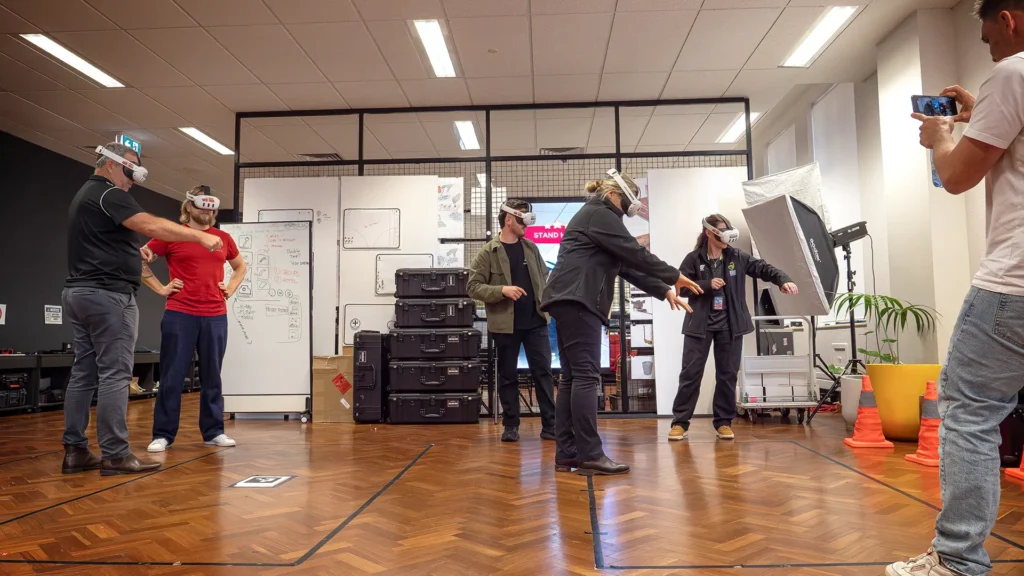
This is the position Viewport XR owns. The conversation does not start with headsets. It starts with floor-level friction: where confidence breaks down, where training takes too long, and where teams need to rehearse before the real moment arrives.
We help leaders trade the ‘theatre of innovation’ for the reality of high-performance results. A strong XR partner does not sell immersion as spectacle; it helps leaders identify the first high-value use case, reduce rollout risk, and build trust quickly enough for adoption to stick.
The sharper commercial message is simple: frontline teams do not resist XR because it is new. They resist it when the rollout makes their jobs harder, and they adopt it when the experience helps them feel more capable, more prepared, and more confident in the moments that matter.
At Viewport XR, we move clients toward frontline programs that are easier to adopt, faster to prove, and harder to abandon.